Explore how El Paso families transmit recipes and ways of cooking from one generation to the next. This unit sheds light on the transformation of culinary traditions, and on the manner in which food and cooking mirror family, ethnicity, and routine.
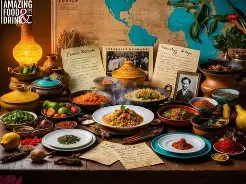
Changing Family Traditions
Food traditions on the border are always changing. Gonzalez (2023) shows how chile roasting went from something everyone did together in a backyard to something a company does for you in a large machine. Rather than roasting dried chile in special backyard flames together, many border residents now simply buy wax-paper-bagged fresh roasted chile from grocery store roasters.
Mares (2012) goes on to say that immigrant families often tweak their recipes to fit what’s available to them, using different spices or processes, but keeping the essence of the meal intact. These modifications gradually turn into “new traditions” that are shared with the old ones.
Result:
El Paso cuisine becomes a living blend of preservation and reinvention.
Personal Story: Grandmother Interview
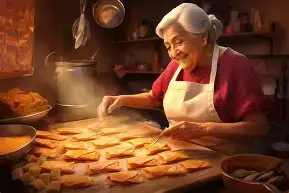
My grandmother shared how our family's ways of doing things transformed after we lost our leader. She said that as we young ones became occupied with our studies and jobs, the making of homemade tortillas began to dwindle.
Quote Box:
“We all just gave it up… sometimes life gets in the way of tradition.” —Grandmother, 2025
Her experience is representative of a larger generational change: traditions are not passed on for lack of interest but because life has changed the ways families come together and cook. Her story is about the mingling of individual memory and cultural transformation.
Why Traditions Change
There are various reasons why food traditions change between generations:
- Time poverty: More individuals have to work multiple jobs or have unconventional work hours.
- Migration: People moving between countries and cities and losing access to certain ingredients.
- Rising food costs: Some ingredients become too expensive or are no longer available.
- Cultural blending: People are exposed to other cuisines.
These factors combined impact how borderland families will keep or alter their culinary traditions.
Create Your Own Website With Webador